Discover amazing bear facts about polar bears, pandas, and grizzlies, including their habitats, diet, strength, and unique survival abilities.
Bear Facts: Discover the Power and Mystery of These Incredible Animals
Bears are some of the most powerful and fascinating animals on Earth. Learning bear facts reveals how these remarkable mammals survive in a wide range of environments, from icy Arctic landscapes to dense mountain forests.
Belonging to the family Ursidae, bears are intelligent animals known for their strength, adaptability, and impressive survival skills. Although they may appear slow and lumbering, bears are agile hunters and skilled swimmers that play an important role in maintaining healthy ecosystems.
In this guide, you will discover incredible bear facts about different species, their behaviour, diet, and the surprising abilities that make them some of nature’s most fascinating creatures.
Bear Facts: 50 Incredible Discoveries About Bears
These bear facts highlight the diversity and unique abilities of bears found around the world.
1. There Are Eight Bear Species
One of the most interesting bear facts is that scientists recognise eight species of bears worldwide.
These include:
• polar bear
• brown bear
• American black bear
• Asian black bear
• giant panda
• sloth bear
• sun bear
• spectacled bear
2. Bears Belong to the Ursidae Family
Bears belong to the mammal family Ursidae. Surprisingly, they are more closely related to animals like seals and dogs than to many other large mammals.
3. Some Bears Eat Mostly Insects
The sloth bear of India feeds mainly on termites and ants.
Its long snout and lips allow it to suck insects from nests like a vacuum.
4. American Black Bears Are the Most Common
The American black bear is the most widespread bear species in North America.
Despite their name, their fur can appear black, brown, cinnamon, or even blonde.
5. Brown Bears Live Across Three Continents
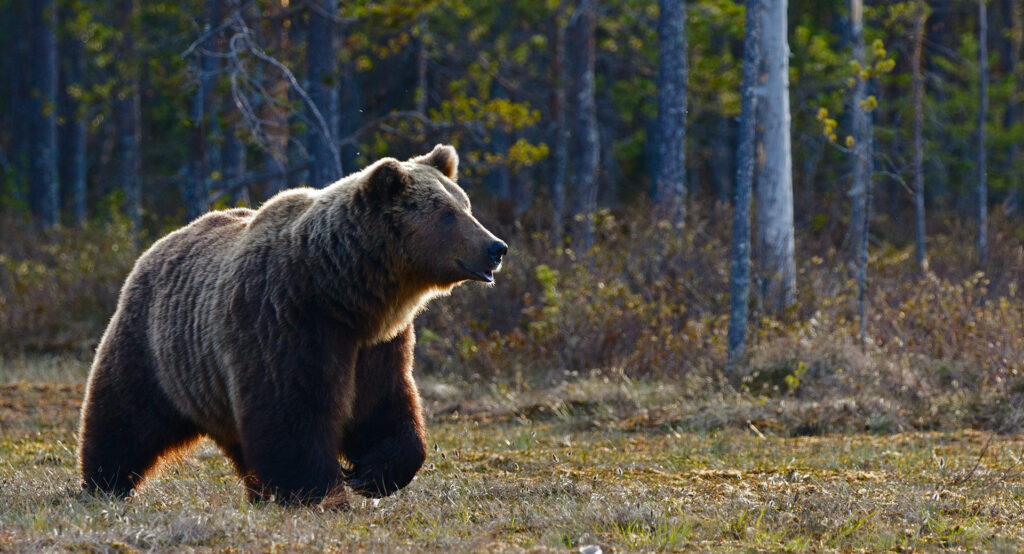
Brown bears are found across North America, Europe, and Asia.
In North America, large brown bears are often called grizzly bears.
6. Bears Hibernate for Long Periods
During winter hibernation, some bears can survive up to 100 days without eating, drinking, or leaving their dens.
Their metabolism slows dramatically during this time.
7. Groups of Bears Have Special Names
A group of bears may be called a sleuth, sloth, or sometimes a pack, depending on the situation.
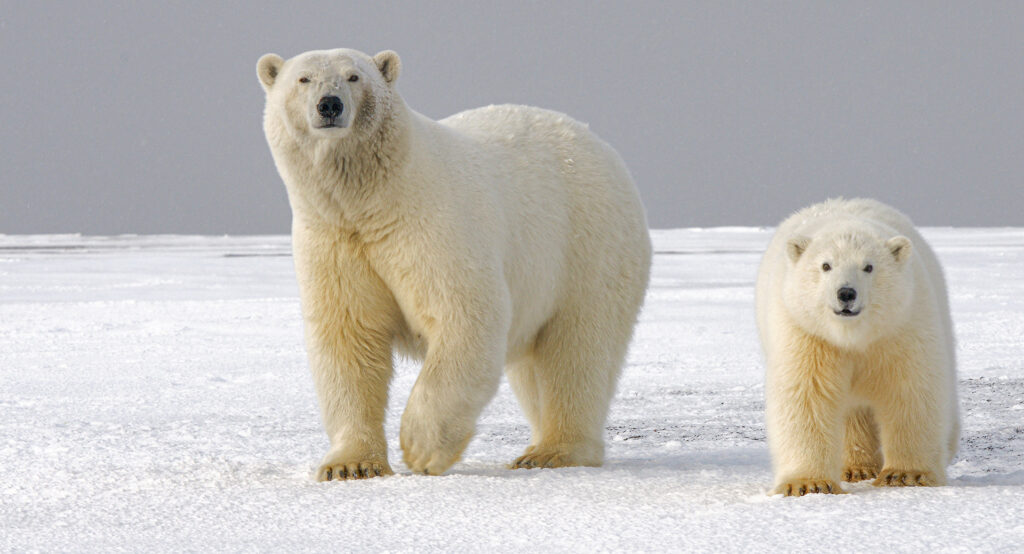
8. Polar Bears Are the Largest Bears
One of the most impressive bear facts is that polar bears are the largest land carnivores.
Adult males can weigh up to 1,500 pounds (680 kg).
9. Mother Bears Raise Cubs Alone
Mother bears typically give birth to one or two cubs.
The cubs remain with their mother for about two years while they learn survival skills.

10. Bears Have an Incredible Sense of Smell
A bear’s sense of smell is one of the strongest in the animal kingdom.
Some bears can detect food from over a mile away.
11. Black Bears Are Excellent Tree Climbers
Black bears are agile climbers and often climb trees to escape danger or search for food.
Young cubs especially rely on trees for protection.
12. Many Bears Love Honey
Honey is a favourite food of many bear species.
Sun bears in particular use their long tongues to reach honey inside beehives.
13. Giant Pandas Have a Special Thumb
One of the most unique bear facts involves giant pandas.
They have a special thumb-like bone that helps them grip bamboo.
14. Spectacled Bears Live in South America
The spectacled bear, also called the Andean bear, is the only bear species found in South America.
15. Brown Bears Can Run Surprisingly Fast
Despite their large size, brown bears can run up to 40 miles per hour (64 km/h).
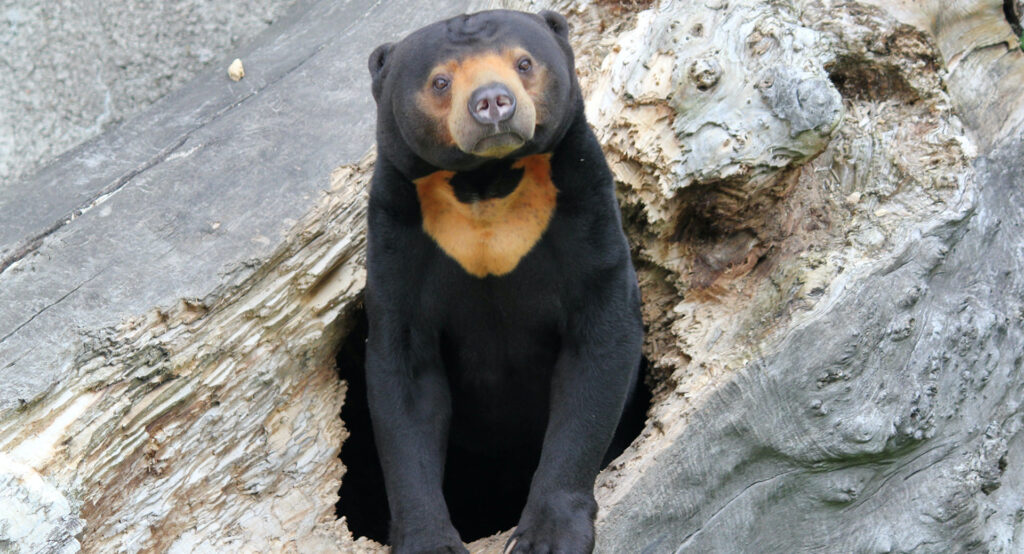
16. Sun Bears Are the Smallest Bears
The sun bear is the smallest bear species.
It lives in the forests of Southeast Asia and is sometimes called the honey bear.
17. Bears Have Powerful Shoulder Muscles
Brown bears have a distinctive hump on their shoulders made of strong muscles used for digging.
18. Pandas Eat Large Amounts of Bamboo
Giant pandas can eat up to 40 pounds (18 kg) of bamboo every day.
19. Bears Often Stand on Their Hind Legs
Bears sometimes stand upright to get a better view or smell the air for food.
20. Some Bears Swim for Long Distances
Polar bears are excellent swimmers and can travel long distances through icy Arctic waters.
21. Bears Have Excellent Memory
Many bear facts highlight their intelligence.
Bears can remember food locations and migration paths for many years.
22. Asian Black Bears Are Also Called Moon Bears
These bears have a white crescent-shaped patch on their chest, giving them the nickname moon bears.
23. Sloth Bears Are Noisy Eaters
Sloth bears make loud slurping and snorting sounds when feeding on insects.
24. Spirit Bears Are Extremely Rare
Spirit bears, also called Kermode bears, are a rare white subspecies of the black bear found in Canada.

25. Bears Are Excellent Fishermen
Brown bears are famous for catching salmon in rivers during spawning season.
26. Polar Bear Fur Is Actually Transparent
Although polar bears appear white, their fur is actually transparent.
It looks white because it reflects light.
27. Bears Can Swim for Hours
Polar bears sometimes swim for several hours while searching for sea ice or prey.
28. Bears Are Highly Adaptable
Bears can live in forests, mountains, tundra, and grasslands.
29. Sun Bears Have Extremely Long Tongues
Sun bears have tongues up to 25 cm long which help them extract honey and insects.
30. Bears Play Important Roles in Ecosystems
Many bear facts show how bears spread seeds and control animal populations.
31–50. Additional Fascinating Bear Facts
Bears remain one of the most powerful animals in the wild.
Bears are among the largest land mammals.
Many species hibernate through winter months.
Bears have thick fur to protect against cold climates.
Cubs are born blind and very small.
Some bears weigh more than small cars.
Bears communicate using vocal sounds and body language.
Bears can climb, swim, and run extremely well.
Some cultures view bears as symbols of strength.
In Japan, bears are sometimes seen as sacred mountain spirits.
Bear claws can grow several inches long.
Spectacled bears have distinctive facial markings.
Bears can travel large distances while searching for food.
Many bears rely on seasonal food sources.
Bears play a role in controlling insect populations.
Polar bears depend heavily on sea ice.
Bears have excellent hearing.
Their thick fat layer helps them survive cold winters.
Bears can dig large dens for hibernation.
Most bear species are omnivores.
Related Animal Facts You Might Enjoy
Bears are powerful and adaptable animals, but survival strategies vary widely across species. For example, speed plays a crucial role for predators like those explored in cheetah speed facts, where agility determines success.
Large mammals also rely on intelligence and social behaviour, which is evident in facts about elephants, highlighting their memory and emotional connections.
External References
According to National Geographic, bears are intelligent mammals capable of adapting to many environments.
Research from Britannica explains how bears play important roles in ecosystems by spreading seeds and controlling prey populations.
Frequently Asked Questions
What are bear facts?
Bear facts describe the behaviour, biology, and habitats of bears, including their diet, strength, and survival skills.
How many species of bears exist?
There are eight recognised species of bears found across different continents.
What is the largest bear species?
The polar bear is the largest bear species and the largest land carnivore.
Are bears dangerous?
Bears can be dangerous if threatened, but most avoid human contact whenever possible.
Conclusion
These fascinating bear facts show why bears are among the most remarkable animals in the wild. From the massive polar bear to the tiny sun bear, these powerful mammals have evolved to survive in diverse environments across the world. Understanding and protecting bears helps preserve the balance of the ecosystems they inhabit.